Dead Tree Removal in Allentown, PA
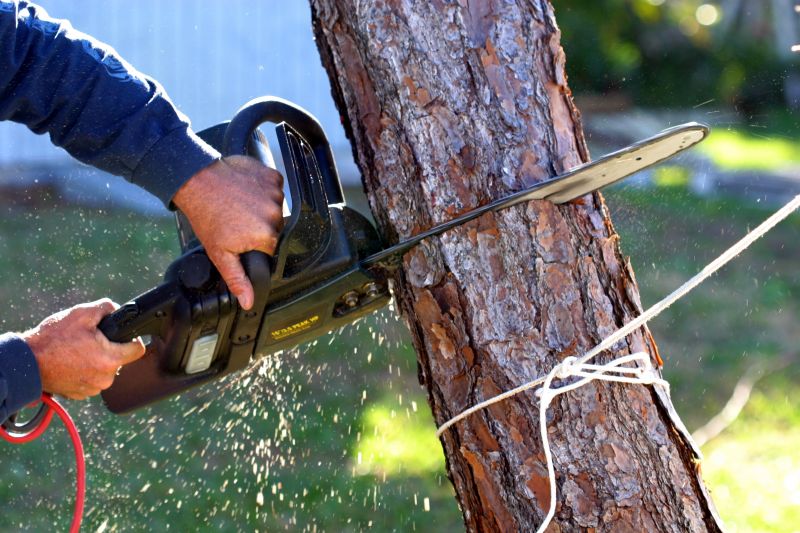
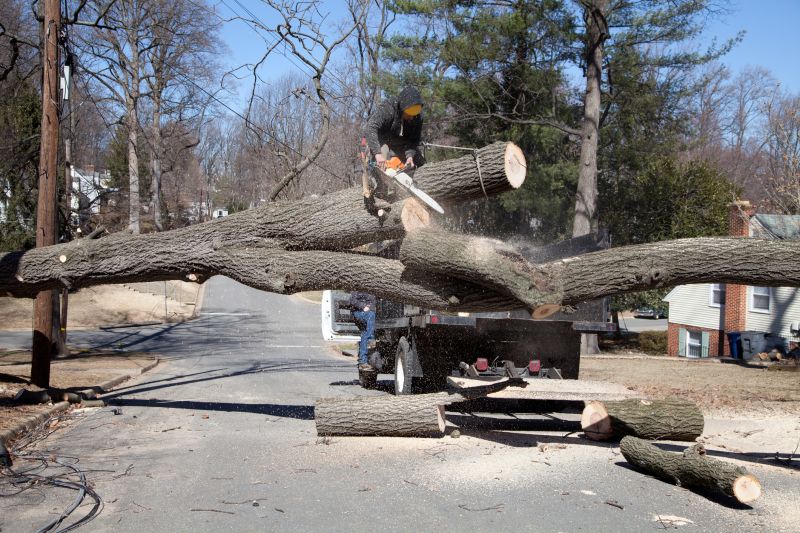
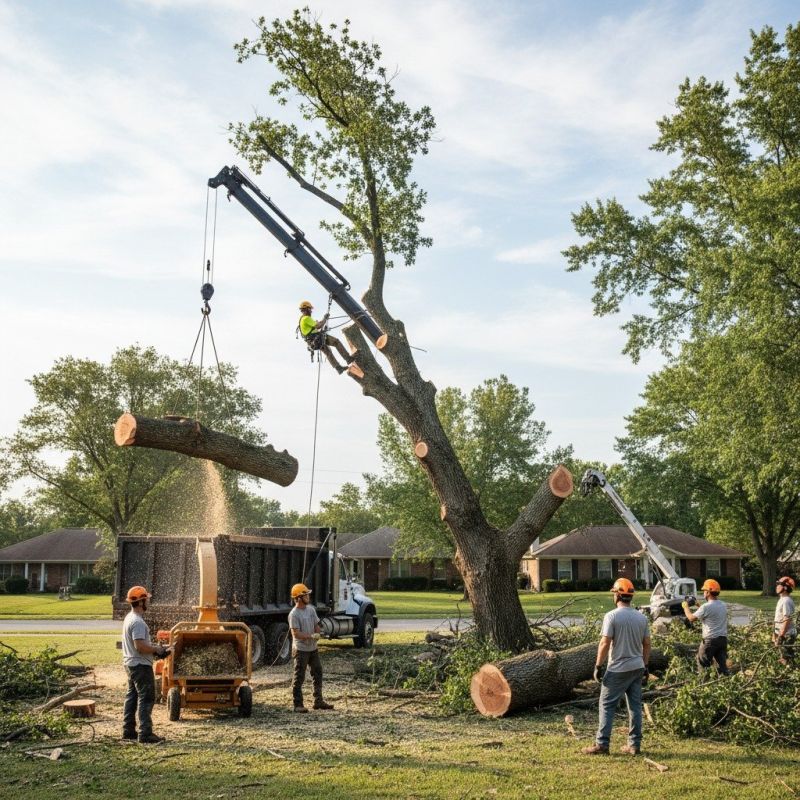
Dead tree removal services involve the safe and efficient removal of trees that are dead, decaying, or pose a risk to the property. This process typically includes assessing the tree’s condition, planning the safest method of removal, and carefully cutting down or dismantling the tree to prevent damage to surrounding structures, landscaping, or utility lines. Property owners often request this service when a dead or dying tree threatens to fall, obstructs views, or creates a safety hazard, especially in areas with high winds or storms.
Before requesting dead tree removal, homeowners should consider the size and location of the tree, as well as any potential obstacles such as nearby buildings, power lines, or other trees. Understanding the scope of the project helps in planning the safest approach and ensures proper disposal of the debris. It is also helpful to be aware of any local regulations or restrictions regarding tree removal, especially for larger or protected trees, to ensure the process complies with community guidelines.
Many property owners in Allentown, PA look into Dead Tree Removal for repairs, replacements, upgrades, and appearance-related improvements.
Reasons To Remove Dead Trees
Removing dead trees helps prevent potential property damage and safety hazards.
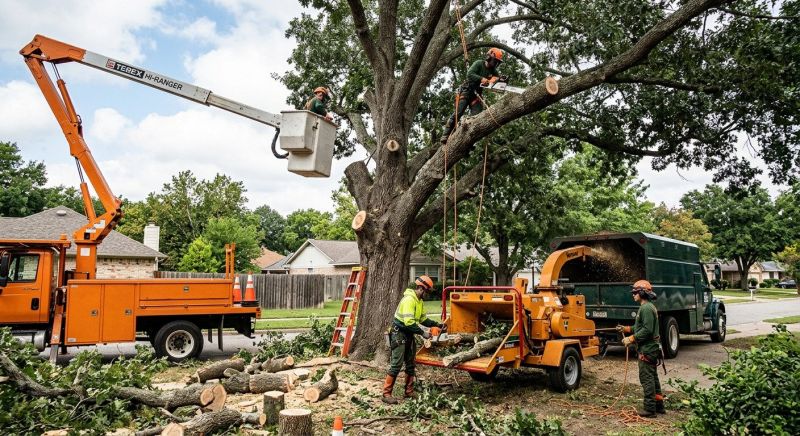
Signs A Tree Needs Removal
Indicators include dead branches, leaning trunks, and visible decay or disease.
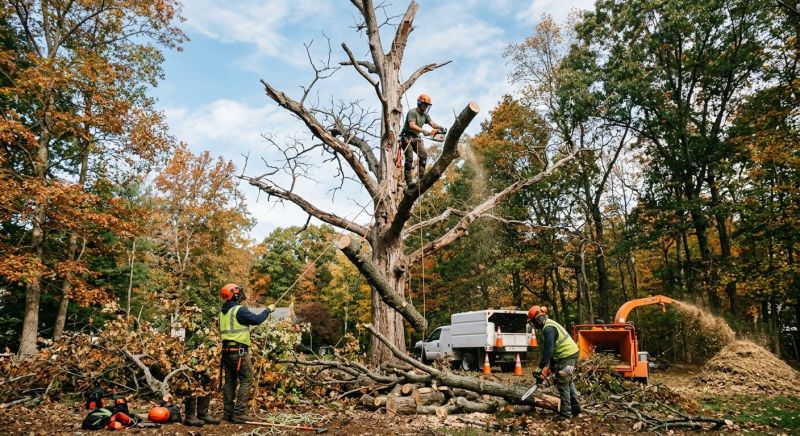
Benefits Of Professional Dead Tree Removal
Professional removal ensures safety, proper disposal, and minimizes impact on surrounding landscape.
Dead Tree Removal in Allentown, PA
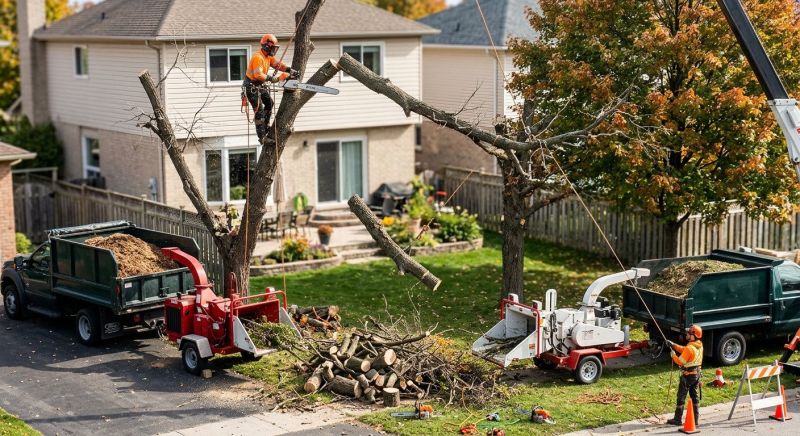
Dead tree removal services involve the safe and efficient removal of trees that are dead, decaying, or pose a risk to the property. This process typically includes assessing the tree’s condition, planning the safest method of removal, and carefully cutting down or dismantling the tree to prevent damage to surrounding structures, landscaping, or utility lines. Property owners often request this service when a dead or dying tree threatens to fall, obstructs views, or creates a safety hazard, especially in areas with high winds or storms.
Before requesting dead tree removal, homeowners should consider the size and location of the tree, as well as any potential obstacles such as nearby buildings, power lines, or other trees. Understanding the scope of the project helps in planning the safest approach and ensures proper disposal of the debris. It is also helpful to be aware of any local regulations or restrictions regarding tree removal, especially for larger or protected trees, to ensure the process complies with community guidelines.
Many property owners in Allentown, PA look into Dead Tree Removal for repairs, replacements, upgrades, and appearance-related improvements.
Common Dead Tree Removal Jobs
Dead Tree Removal - Complete removal of hazardous or dying trees to improve property safety.
Stump Grinding - Grinding out tree stumps to clear the landscape and prevent regrowth.
Emergency Tree Removal - Rapid response to fallen or unstable trees threatening structures or safety.
Selective Tree Removal - Removing specific dead or problematic trees while preserving healthy ones.
Property Clearing - Clearing dead trees to prepare land for landscaping or construction projects.
Tree Disposal - Proper disposal of removed trees and debris to keep the property tidy.
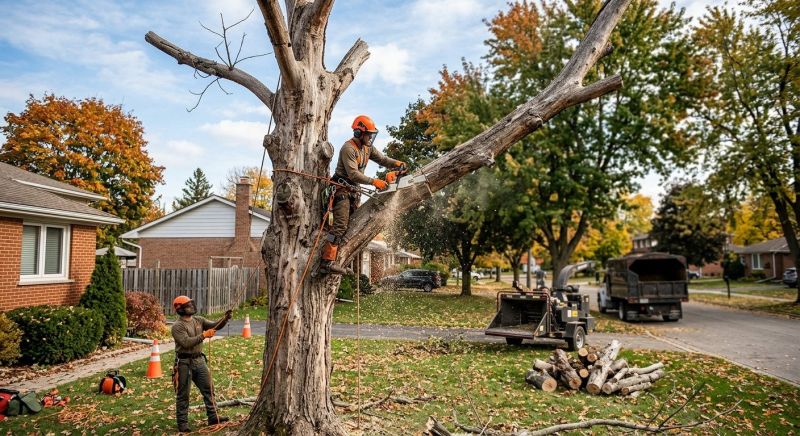
Dead Tree Removal Questions
Why should dead trees be removed? Dead trees can pose safety hazards and may attract pests or disease to nearby healthy plants.
What types of trees can be removed? Most types of dead or dying trees, regardless of size or species, can be safely removed.
Is it necessary to remove a dead tree near structures? Yes, dead trees close to buildings or power lines can threaten property safety and should be addressed promptly.
What should property owners consider before removal? It’s important to assess the tree’s location, size, and condition to determine the best removal approach.
Request Dead Tree Removal in Allentown, PA
Use the quote form on this page to share the basics of your project and request more information for the type of work you need.